The quiet hum of the machine in the corner of the bedroom. The soft blue LED light promising clean, mountain-fresh air while you sleep. You spent good money on that sleek white tower, trusting its medical-grade HEPA claims to capture the pollen, the pet dander, the invisible dust motes floating through the morning sunlight.
But step closer to that silent sentinel. Press your nose against the plastic intake grate. What you might catch isn’t the crisp scent of nothingness, but a faint, earthy dampness—like the smell of wet cardboard left out on a humid August afternoon. You bought a lung protector, but without realizing it, you may have installed a high-speed dispersal unit for exactly what you’re trying to avoid.
We tend to view modern appliances as magical black boxes. Plug them in, let them run, and change the expensive pleated filter when the red light flashes six months down the line. Yet, between the rigid plastic shell and that dense, folded paper lies a micro-environment perfectly designed to foster the one thing you desperately want out of your house.
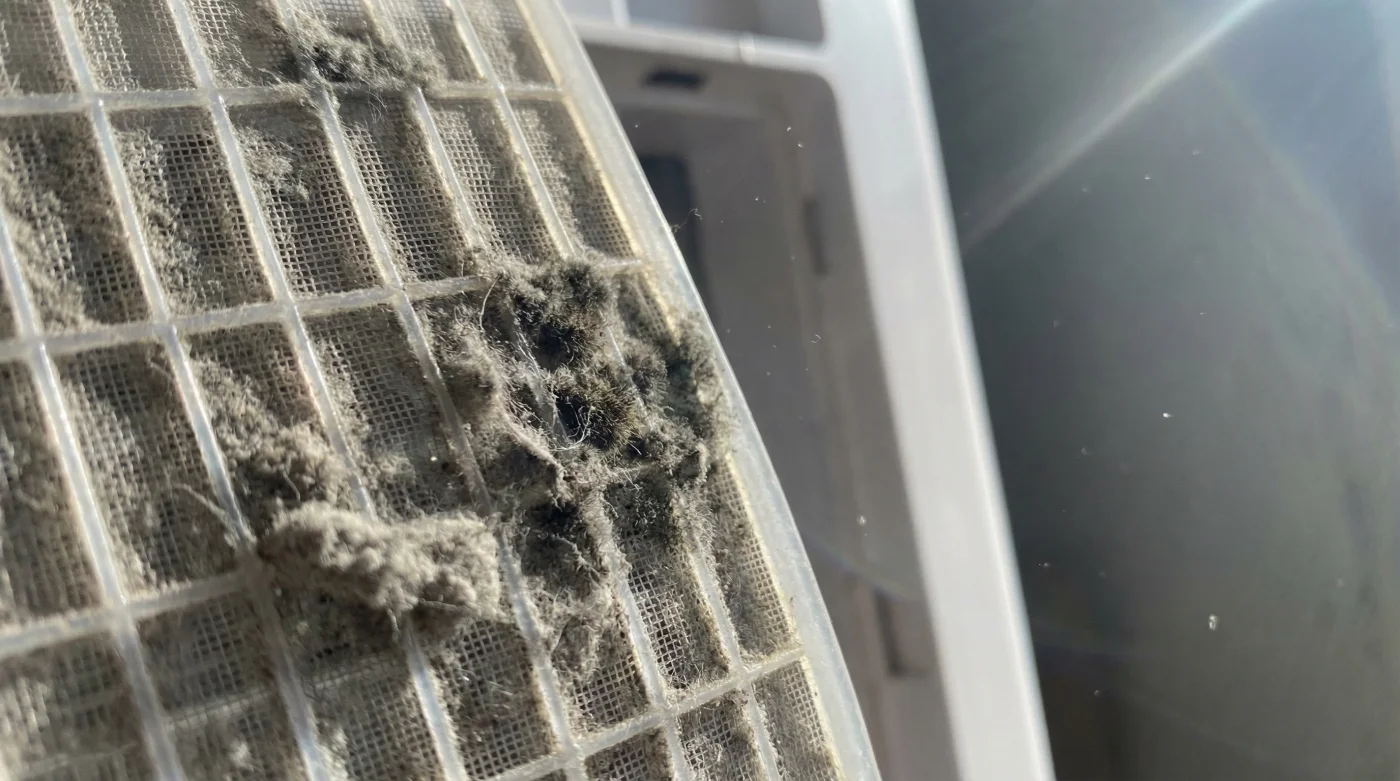
Fungal spores love a steady draft, trapped organic material, and the slightest hint of indoor humidity. When you ignore the coarse outer mesh—the first line of defense—you build a thriving habitat that turns your air purifier into an active mold generator.
Rethinking the Lungs of Your Home
Think of your HEPA filter like a tightly woven fishing net, designed to catch the absolute smallest minnows. But before the water ever reaches that fine net, it has to pass through a wider grate. In your machine, this is the pre-filter—usually a thin sheet of activated carbon or fine nylon mesh.
This outer layer catches the big stuff: golden retriever hair, lint from your favorite sweater, and heavy dust particles. Here lies the hidden danger. When this debris builds up, it creates a nutrient-dense felt. It acts like a damp sponge sitting on the counter, catching moisture from the air and providing a feast for passing spores.
The friction here is a matter of trust. You assume the machine is doing the work because it continues to hum away, but underneath the casing, the airflow is dragging moisture across a bed of organic rot. Instead of purifying, the internal fan gently distributes microscopic fungal colonies right back into your breathing space.
Take it from Arthur Vance, a 42-year-old indoor air quality specialist from Portland, Oregon, who spends his days inspecting the homes of people suffering from unexplained allergies. “I crack open these five-hundred-dollar units every week,” Arthur notes, “and the owners are always horrified. They see the pristine white HEPA filter inside and think everything is fine, completely missing the black, fuzzy carpet growing on the charcoal pre-filter right in front of it. They essentially built a greenhouse for Aspergillus, and paid for the electricity to run it.”
Environmental Adjustments for Your Space
Not every home challenges a machine in the same way. The speed at which your pre-filter turns into a biological hazard depends heavily on what passes through your doors and how you live your daily life. Understanding your specific micro-climate allows you to adapt your routine.
For the Pet-Heavy Household
If you share your space with shedding dogs or cats, your pre-filter gets coated in hair and dander within days. Dander is highly reactive to moisture. You aren’t just trapping hair; you are laying down a high-protein banquet for fungal growth.
For the Humid Climate Dweller
- Birch plywood panels hide secretly inside the commercial flooring aisle
- Liquid starch seamlessly secures temporary fabric wallpaper over textured drywall
- Mineral oil instantly restores cast iron radiators without toxic fumes
- Dawn dish soap ruins granite countertops over three years
- Hardware stores quietly pull Roundup amid sudden local retail bans
For the Urban Apartment
City grit is different from country dust. It contains heavier particulate matter, exhaust soot, and a unique blend of organic street debris. This material compacts quickly into a dense mat, strangling the intake fan and forcing the motor to run hotter, which paradoxically creates a warmer environment for bacteria.
The Five-Minute Reset
The solution isn’t to buy a more expensive machine or replace the core filter prematurely. The fix requires shifting your mindset from passive consumer to active curator of your environment. This is a gentle, weekly ritual that keeps the system breathing clearly.
You only need a few basic items to perform this reset properly without sending trapped dust back into the room. Gather your tools before starting to make the process completely seamless.
- A vacuum cleaner with a soft brush attachment.
- A slightly damp microfiber cloth (water only, no harsh sprays).
- A dry, well-ventilated space (taking the unit outside to a porch is ideal).
Follow these precise steps every Saturday morning before the house wakes up:
- Unplug the machine and gently carry it to your designated cleaning area to avoid agitating settled dust.
- Pop off the front grill and carefully peel back the pre-filter. If it is a washable nylon mesh, note its condition. If it is an attached carbon sheet, handle it by the edges.
- Using the soft brush attachment, vacuum the pre-filter using long, slow, downward strokes. Do not press hard enough to distort the mesh.
- Wipe down the inside of the plastic grill and the bare plastic edges around the core HEPA filter with the damp microfiber cloth, picking up the stray lint.
- Allow the plastic to air dry for exactly two minutes before snapping the unit back together and restoring power.
Breathing Easy
Taking five minutes out of your weekend to tend to a quiet machine might feel like just another chore added to a never-ending list. But this simple act of maintenance alters your relationship with the air you take into your body. It turns passive reliance into intentional care.
When you know the intake is clear, the fan runs a little quieter. The motor strains a little less. More importantly, the air moving across your face at night is genuinely clean, stripped of the invisible hitchhikers that thrive in forgotten corners. You aren’t just preserving the lifespan of an appliance; you are protecting the invisible sanctuary of your home.
“A purifier is only as clean as the air it breathes first; neglect the intake, and you poison the well.”
| Key Point | Detail | Added Value for the Reader |
|---|---|---|
| The Pre-Filter | Catches heavy hair, lint, and pet dander. | Prevents the expensive HEPA core from clogging prematurely. |
| Fungal Risk | Trapped organic debris absorbs indoor humidity. | Vacuuming stops mold spores from colonizing the intake zone. |
| Motor Strain | A blocked mesh forces the fan to work twice as hard. | Regular clearing reduces electricity draw and extends machine life. |
Frequently Asked Questions
Can I wash the carbon pre-filter in the sink? Never wash a carbon filter unless the manual explicitly states it is washable; water ruins the activated charcoal and encourages mold.
How often should I really vacuum the mesh? Once a week is the sweet spot for homes with pets or high dust, but twice a month works for very clean, low-traffic rooms.
Why does my purifier smell slightly sour? That sour smell is the first indicator of bacterial or fungal growth on the pre-filter; it means a deep clean is overdue.
Will a regular vacuum damage the unit? Using a soft brush attachment on a low suction setting gently lifts debris without bending the delicate plastic or mesh.
Should I run the machine on high after cleaning? Running it on high for ten minutes after a reset helps clear any residual dust agitated during the cleaning process.